
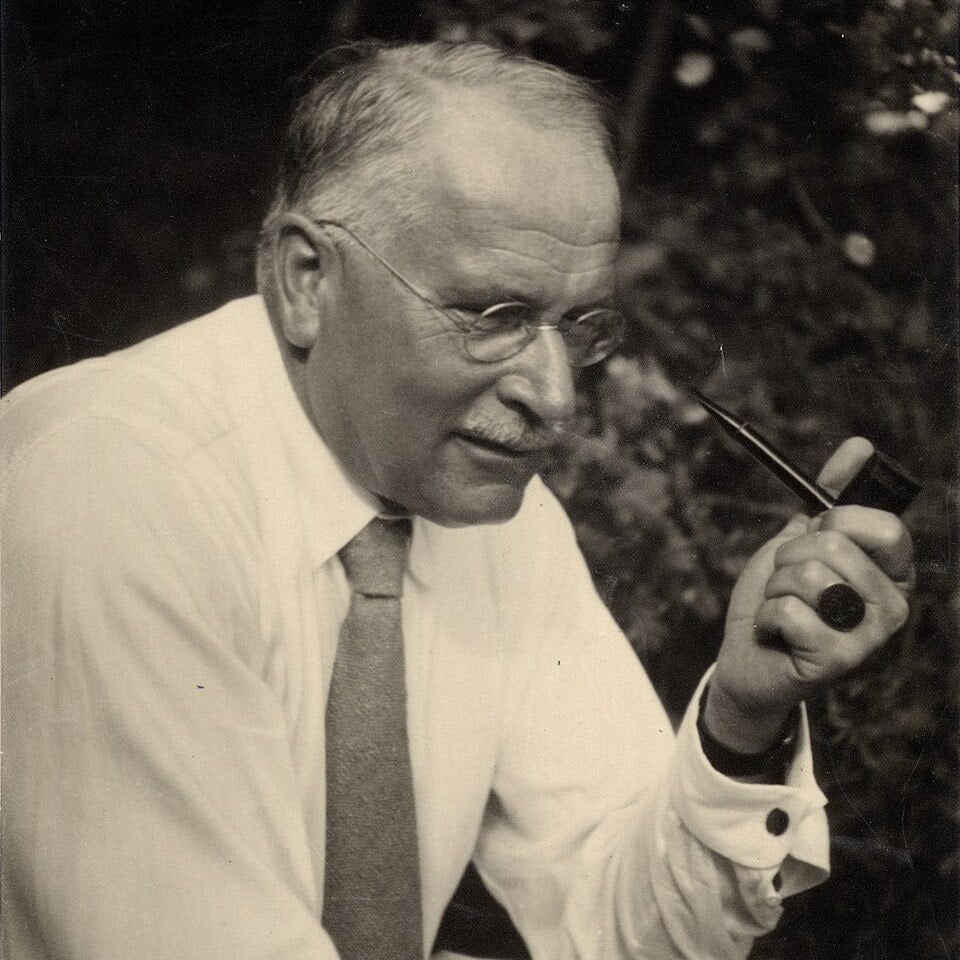
A person with a long time interest in Jungian Psychology recently said that it is a “half way house” for people who no longer feel at home in the churches of their childhoods. C.G. Jung stated that no one is truly healed until he/she develops a religious attitude. In this lecture, Rose will unpack the meaning of that statement with emphasis on what a “religious attitude means and how it can unfold in the process of psychoanalysis. Through discussion of Jung’s theories and his approach to therapy and with dream examples that demonstrate the reconciliation process between ego attitudes and archetypal elements in the unconscious, she will illustrate the process that moves a modern person toward a religious attitude.
Learning objectives
By the end of this course, participants will:
Instructor
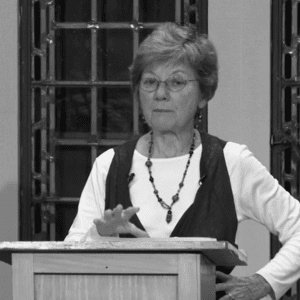 Rose F. Holt, MA, began her career in electronics and business, areas in which she worked for over 20 years. At mid-life, she changed over to counseling and psychology after discovering Jungian Psychology. Her thesis paper for Analytical Training is “Alchemy of the Small Group.” It describes the journey of a core group of women who worked weekly with their dreams over a ten-year period. Many alchemical themes that Jung ascribed to the individuation process appeared in group members’ dreams, convincing Rose that work in small, intimate groups is an effective way to facilitate individuation.